To pack for long-term storage properly, clean and dry everything first, use sealed plastic containers where possible, protect items from heat and moisture, and load the storage unit carefully. Climate-controlled storage is especially important in Perth if you’re storing timber furniture, electronics, clothing, artwork, leather and anything sensitive to heat or humidity.
Proper Packing Matters More Than Many West Aussies Realise
As pressure from the housing market and above-average internal migration reshape where and how we live, more people in Perth are looking for long-term storage. Around one in 10 Australian adults (9.2%) uses self-storage.
Long-term storage is a simple and affordable solution when you’re not ready to part with furniture or not sure where life will take you next.
But Perth’s climate is hard on stored belongings. In summer, poorly insulated enclosed storage spaces can become significantly hotter than the 40°C weather outside. When it rains, moisture creeps in to damage fabrics, electronics, timber and leather.
Still, if they’re packed properly and put in the right long-term storage facility, your belongings should come out of storage in the same condition they went in.
This guide covers how to pack for long-term storage, what needs special attention and the mistakes that catch people out.
Before You Start: Five Things to Do First
Get these right before you pack a single box.
1. Clean and Dry Everything
Moisture and food residue are magnets for mould, rust and pests. Make sure nothing goes into storage dirty or damp.
2. Choose the Right Containers
Use plastic bins with secure lids for anything going into long-term storage. Cardboard is fine for moving, but it absorbs humidity over time and gives pests somewhere to nest.
3. Disassemble Large Furniture
Disassembling makes wrapping easier, takes up less space, and is safer if the storage container needs to be moved. It also puts less stress on joints over time.
4. Label the Sides Of Your Boxes, Not the Tops
Label at least two sides with:
- Room name
- General contents
- Fragile warnings
- Box number
Labelling the sides instead of the top means you can easily see what’s inside when your boxes are stacked high in storage.
5. Write an Inventory
Number your boxes and list what’s in each one. Months down the line, when you’re searching for a document or a spare key, you’ll be glad you did – trust us.
Room by Room: How to Pack for Long-Term Storage
Bedroom
Mattresses
- Wrap in a purpose-made mattress bag or heavy-duty plastic wrap
- Store it flat with nothing heavy on top
- Never stand a mattress on its side for extended storage
Mattresses should always be stored flat. Leaving them upright for too long causes the internal structure to sag.
Bedding and pillows
- Wash and dry everything thoroughly
- Use vacuum-seal bags with a silica gel sachet
Vacuum-seal bags compress bulky bedding and remove moisture, especially with a silica gel sachet in each bag. Plastic garbage bags trap moisture rather than removing it, so we don’t recommend using them.
Clothing
- Wash and dry everything before storing
- Fold or roll into plastic bins with lids
- Use wardrobe boxes for delicate items
Even small stains or food residue are an invitation for insects. It’s a good idea to add cedar balls or moth deterrents, and avoid hanging clothes in cardboard boxes.
Timber bed frames
- Take them apart
- Wrap each piece in moving blankets or furniture pads
Solid timber is vulnerable to warping in extreme heat. If you’re storing anything timber through summer, make sure the facility is climate controlled.
We also recommend avoiding sealing timber tightly in plastic for long periods. Trapped heat and condensation can affect finishes.
Living Room
Sofas and upholstered furniture
- Vacuum thoroughly
- Spot-clean stains and allow to dry completely
- Cover with breathable furniture covers or moving blankets
- Apply leather conditioner to leather or faux leather before covering
Plastic sheeting traps moisture and causes mildew. Leather and vinyl will also struggle in Perth’s summer heat without proper protection. We’ve seen many cracked and peeling couches that were stored without climate control.
Timber furniture
- Clean and dry all surfaces
- Disassemble larger pieces where possible
- Place on furniture pads
- Avoid stacking heavy boxes on polished surfaces
Timber furniture can be damaged by heat from below and above. It should never sit directly on concrete floors or have heavy items stacked on top, as heat and trapped moisture affect the finishes.
Electronics
- Use original packaging if possible
- Otherwise, wrap in anti-static bubble wrap
- Remove all batteries from remotes and accessories
Batteries leak in heat. It’s one of the most common types of damage we see on otherwise intact equipment. Climate control is not optional for valuable electronics.
Artwork and framed pictures
- Wrap in acid-free paper first, then bubble wrap
- Store vertically, never flat under weight
- Keep away from exterior walls
The centre of the unit is always the safest spot for anything sensitive. Although KEYS long-term storage facilities are climate-controlled, any slight temperature change in the external walls can affect valuable artwork.
Kitchen
Appliances
- Clean and dry appliances thoroughly to remove food residue
- Leave doors and lids open for 24 hours before packing
- Wrap in packing paper and moving blankets
Triple-check appliances for moisture or crumbs before packing. We’ve seen mould and odours inside coffee machines, microwaves and fridges that were packed too early. It’s not pretty, and the smell doesn’t leave.
Cookware and crockery
- Wrap plates and bowls individually in packing paper
- Stack plates vertically, not flat in a pile
- Use smaller boxes for heavy kitchenware
Stacking plates vertically feels wrong, but it distributes weight more evenly and significantly reduces cracking on the lower items.
Glassware and fragile items
- Use small, sturdy boxes with plenty of cushioning
- Wrap glasses individually and pack upright
- Label the boxes as fragile
With glassware, keep the boxes light so they don’t fail later. If a box is too heavy to lift comfortably, it’s too heavy for safe storage.
What not to store
Food should never go into storage. Not even canned goods, as heat can ruin the seals and attract pests. Use the opportunity of long-term storage to clear out the pantry, including those mysterious tins you’ve forgotten about at the back.
Bathroom
Toiletries and personal care products
- Keep medications, daily toiletries and expensive skincare with you
- Pack spare towels and unopened toiletries into plastic tubs
- Treat electrical grooming tools as electronics (see above)
Bathrooms are usually one of the easier rooms to pack because most essentials travel with you rather than going into storage.
What not to store
- Aerosols and flammable liquids
- Nail polish, perfume and alcohol-based products
- Leaking or open containers
Liquid products behave unpredictably. We’ve seen them leak, separate and pressurise, which can damage other items. Most storage facilities also prohibit flammable items for safety reasons.
Home Office
Documents and paperwork
- Store in waterproof plastic containers with lids
- Label folders clearly before packing
- Keep important documents (passports, titles, certificates) out of storage
- Add moisture absorbers for long-term storage
Storage units are secure, but they’re not the right place for documents you can’t afford to lose. A fireproof safe, a bank deposit box, or a trusted person is a better home for anything that can’t be replaced.
Books
- Pack flat or upright
- Use small boxes to keep the weight manageable
- Add silica gel sachets for storage longer than a few months
A large box of books is a back injury waiting to happen. They can also split at the seams or damage whatever they’re stacked on top of.
Computer equipment
- Use anti-static wrapping for monitors and desktops
- Remove batteries and cables where possible
- Store in climate-controlled conditions
- Back up important files before storage
Even if you know how to pack for long-term storage, heat damage and data loss are significant risks in facilities without climate control. The best rule of thumb: if the data matters, don’t put the drive into storage.
Garage and Outdoors
Tools
- Clean off all dirt, grease, and moisture
- Apply a light oil coating to metal surfaces
- Store in sealed toolboxes or lidded bins, not loose
- Remove batteries from cordless power tools
Rust spreads quickly once moisture gets into storage containers. Even quality tools deteriorate if they’re packed away dirty or damp.
Garden equipment
- Drain fuel from all petrol-powered equipment
- Clean and dry garden tools thoroughly
- Lightly oil metal parts
Old fuel breaks down over time and damages engines. We always recommend draining mowers, trimmers, and blowers completely before storage.
Outdoor furniture
- Clean thoroughly, watching for spiders and bugs
- Stack neatly to save space
- Use furniture covers or tarps for dust protection
Outdoor furniture is designed for the elements, so it generally handles storage well. However, dust and spiders become a problem if items are left uncovered.
Bicycles
- Deflate tyres slightly
- Clean and lubricate the chain
- Store upright or hang
Letting a little pressure out of the tyres before the bike goes in reduces unnecessary strain if the temperature fluctuates.
What not to store
Flammable liquids, gas cylinders and paint cannot go into a storage facility. Most facilities prohibit them, and for good reason. Arrange for separate disposal before moving day.
How to Load the Storage Unit
Now that you’re an expert on how to pack for long-term storage, it’s time to load your container or unit.
Practical Guide to Loading a Storage Unit
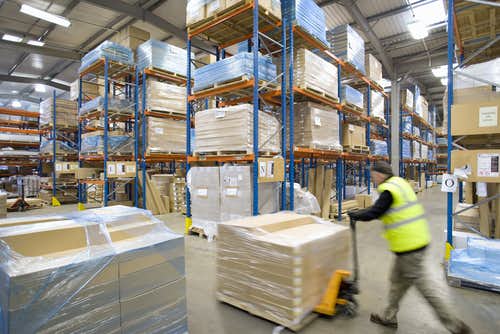
Heavy containers, bulky items and furniture go on the floor. Push them to the back and sides of the unit.
Stack boxes on top of furniture where the load allows. Use the height, as long as you can safely retrieve it later. Mattresses can go flat on top of other furniture if they’re in a proper cover and there are spaces for heat and moisture to dissipate.
Artwork, mirrors and anything with a frame are stored vertically in the middle.
Leave an aisle so you can get to things without unloading half the container.
Seasonal items or documents you might need sooner rather than later should be near the front and labelled clearly. The same goes for storing fragile items, which should stay near the front where they’re less likely to be crushed.
Do You Need Climate Control for Long-Term Storage?
Climate-controlled storage isn’t always essential. If you need storage for a holiday or for less than six weeks, a standard unit is usually adequate. If you’re storing through summer, or for 6+ months, climate control is the right call for anything of value.
What Does “Climate-Controlled Storage” Actually Mean?
Climate-controlled storage means the facility regulates temperature and humidity year-round. In practice, this keeps stored belongings in a stable environment regardless of conditions outside.
This matters in Perth, where enclosed spaces can become extremely hot in summer and moisture levels fluctuate through winter.
Climate-controlled storage doesn’t necessarily mean the unit is controlled. Unless you’re storing perishable goods that need chilling – such as medication, flowers or food – it’s enough for the facility to be climate-controlled.
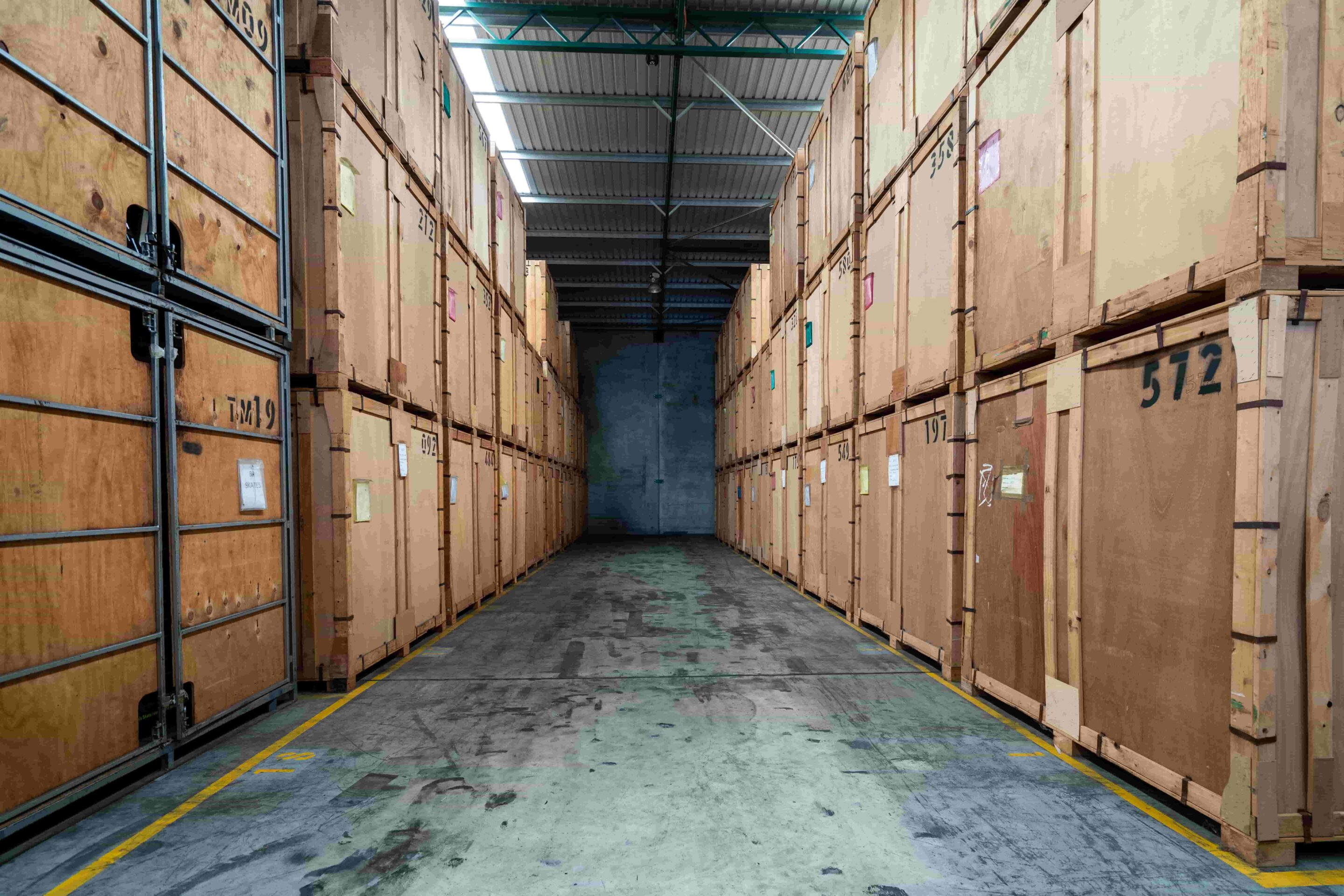
However, not all “climate-controlled” storage facilities meet the same standard. KEYS long-term storage facilities are professionally managed to strict quality standards, with climate and access control, and 24/7 monitoring.
Your belongings aren’t sitting in a shed with a fan. They’re in a properly maintained environment, managed by a team that’s been doing this for over 30 years.
When Climate Control Is and Isn’t Essential
Metal tools, outdoor furniture and durable plastic items generally store for at least a few months without major issues.
Other items struggle when the temperature rises or rain falls. Climate-controlled storage is almost always worth it for:
- Timber furniture
- Leather and vinyl furniture
- Electronics
- Artwork and photographs
- Books and documents
- Clothing and fabrics
- Musical instruments
- Wine collections
If you are storing belongings for a few weeks during mild weather, you might get by with standard storage. But most people are storing for months, not days.
The items most likely to suffer without climate control – furniture, clothing, electronics, artwork, wine collections – are often the most expensive or difficult to replace.
Take the Stress Out Of Packing For Long-Term Storage
Knowing how to pack for long-term storage properly is the difference between belongings that come out in good condition and belongings that don’t.
- Work through your rooms and inventory methodically.
- Clean and dry before packing.
- Use the right containers.
- Protect against heat and moisture.
- Load the unit with care and don’t rush it.
If you follow all these steps, there should be no surprises when the roller door goes up months later. Whether you’re moving overseas, downsizing, renovating, or waiting between homes, taking the time to pack and load your storage unit properly will make unpacking much less stressful later.
Store With Confidence. Store With KEYS.
KEYS The Moving Solution offers secure short and long-term storage in Perth and Kalgoorlie, in professionally managed and climate-controlled facilities.
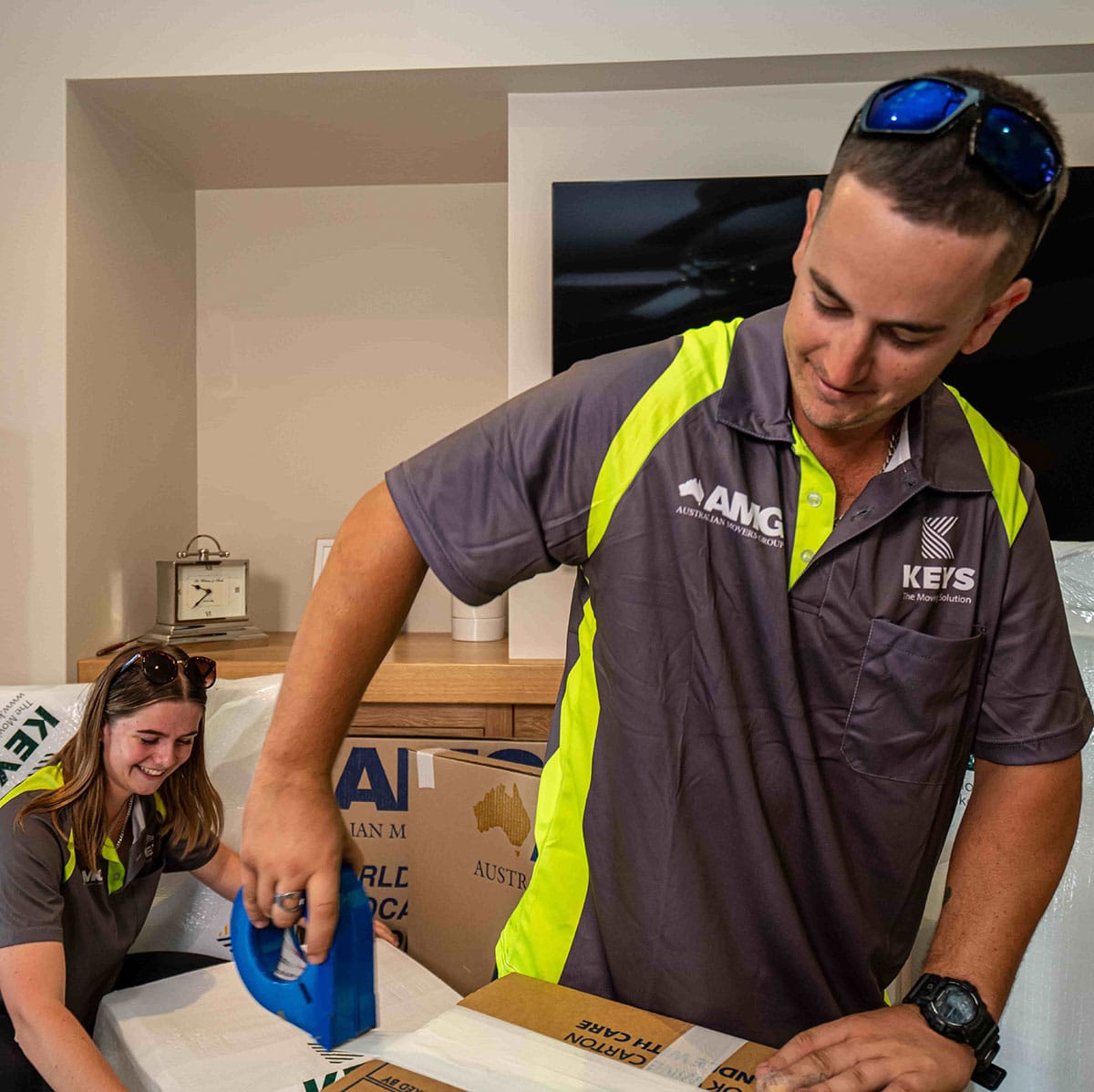
Our team handles everything: pick-up, secure storage, delivery if you’re relocating, access if you’re not.
With 30+ years of storage experience, flexible short- and long-term agreements, and solutions for homes and businesses, KEYS takes the stress out of storage.