Moving overseas comes with a long list of decisions. Visas. Housing. Schools. Work. Storage. Packing.
Then there’s the practical question almost everyone hits at some point. How do you actually get your belongings there?
In most cases, the answer isn’t sea freight vs. air freight for international moves in Australia. It’s both. With smart planning and the right international removalist on your team, you can have the best of both options.
In this guide, we’ll walk through sea freight vs air freight for international moves in plain English. We’ll explain the differences, expected timelines, customs and biosecurity considerations, and how most households split their shipment during an overseas move.
Quick Comparison: Sea Freight vs Air Freight for International Moves
Sea freight is more affordable and better for the environment, but slower. It usually carries the bulk of your household goods. Air freight is fast, flexible and expensive, filling the gap for the items you need immediately on arrival.
| Sea freight | Air freight | |
| Priced by | Volume in cubic metres | Weight or volumetric weight |
| Relative price | Lower | Higher |
| Typical transit time | 2 to 10 weeks | 3 to 10 days |
| Best for | Furniture, appliances, boxes, household goods | Essential items needed immediately |
| Load options | Full (FCL) or shared (LCL) containers | Individual shipment by weight |
| Customs and biosecurity | Required | Required |
| Most common use | Main household inventory | Small essentials |
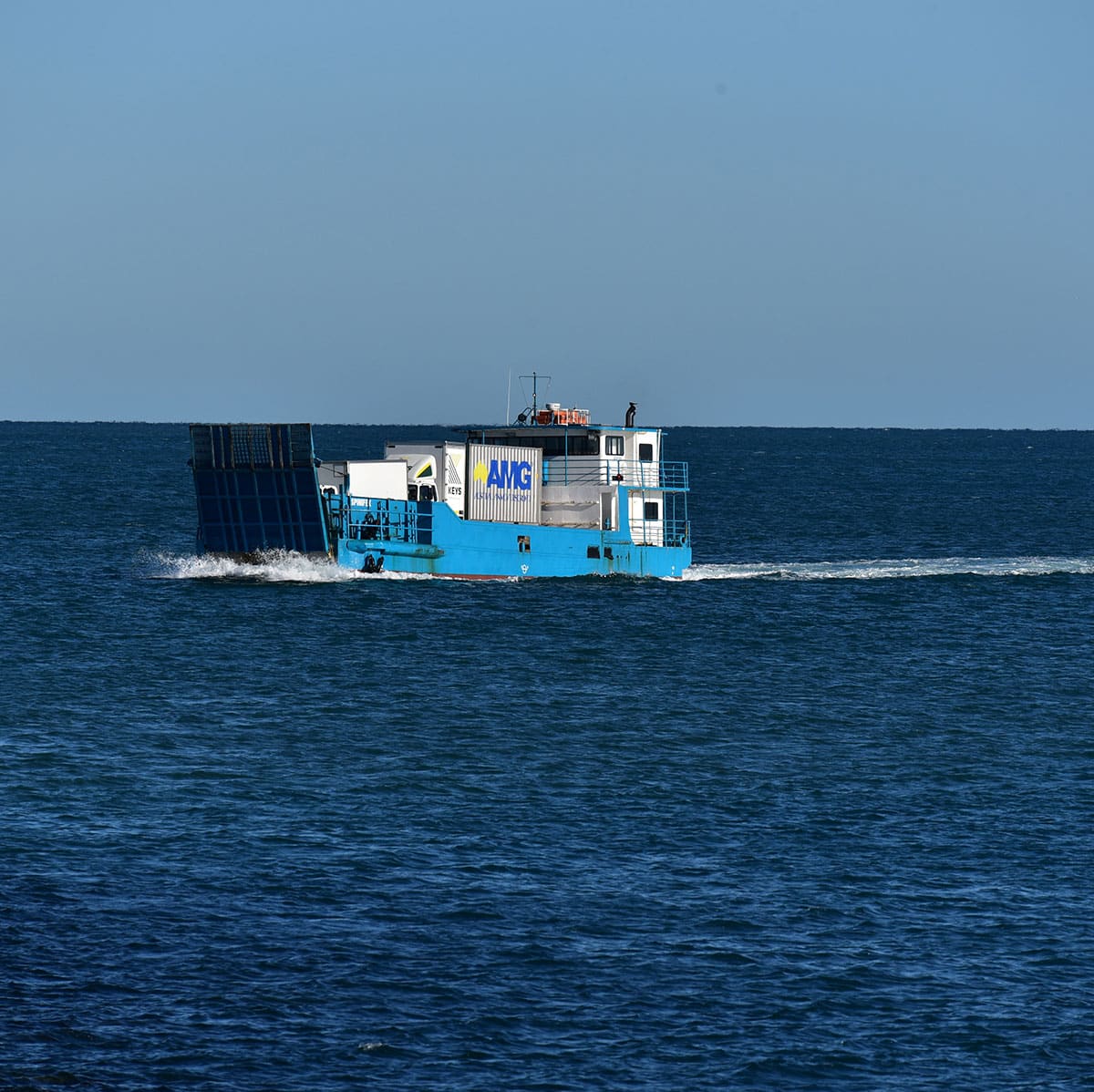
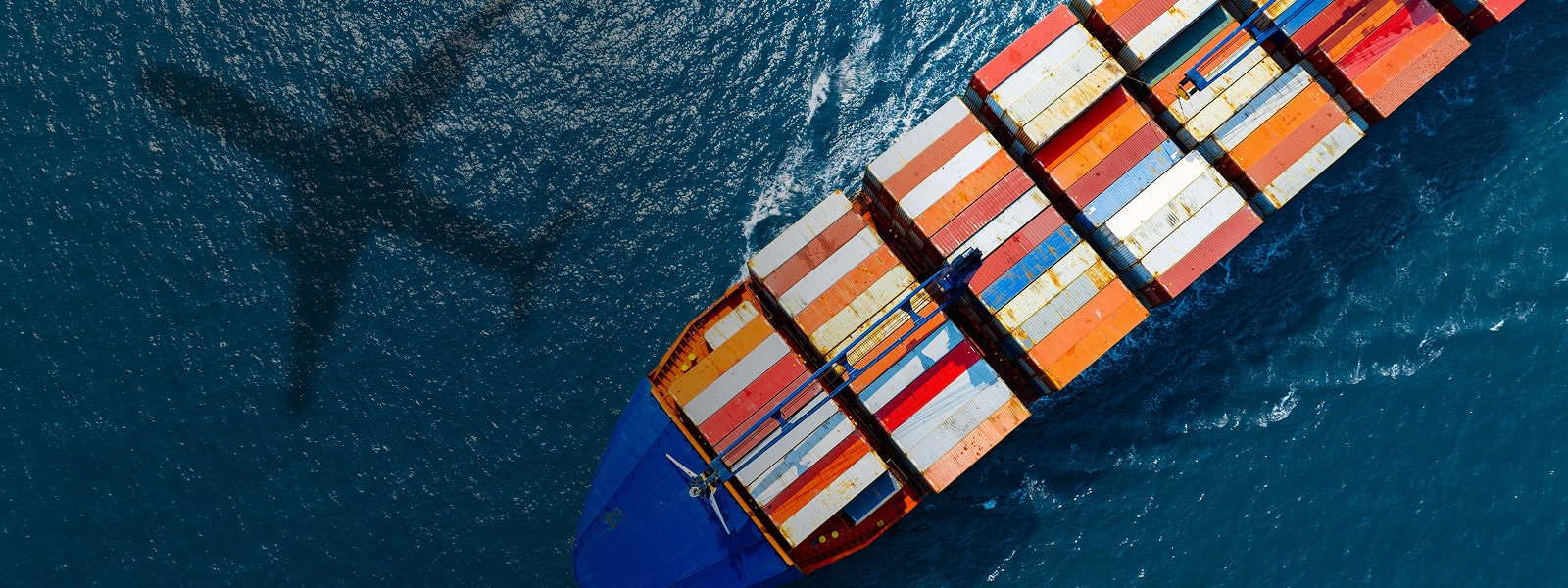
Sea freight remains the standard option for international household relocations. It’s designed for larger volumes, including household goods, furniture, vehicles, and commercial freight.
Air freight plays a different role. It is generally used for smaller, urgent, or high-value shipments where speed matters more than volume.
For your international move, that means working out what belongs in each shipment and how to plan the move so it feels manageable instead of overwhelming.
Sea Freight for Household Moves: What You Need to Know
Did you know: According to the Australian Maritime Safety Authority, more than 99% of Australia’s international trade by volume moves by sea.
Furniture, appliances, cartons, and household inventory take up space. Shipping these items by sea is usually the most practical and cost-effective approach, especially for long-distance relocations to Europe, North America, New Zealand (from Perth) and Asia.
The first step in planning a shipment is creating an inventory. Keep a list of what you’re taking and what stays in storage in Australia.
For many households, this step alone helps reduce stress. It breaks one overwhelming task into a series of smaller, more manageable decisions.
FCL vs LCL: Which Container Option Is Right for You?
Within sea freight, the main decision is whether you need a full container or a shared container.
FCL: Full Container Load
FCL means your belongings travel in a dedicated shipping container. This is usually a 20ft or 40ft container depending on the size of your move.
FCL is generally suited to:
- Larger 3-plus-bedroom family homes
- Businesses moving furniture and appliances
- Vehicle relocations
Your goods are loaded, sealed and shipped together. Because there is no need to consolidate shipments with other customers, FCL is often more straightforward and can sometimes reduce handling time.
LCL: Less than Container Load
LCL means your belongings share space with other shipments in a container. You are charged for the volume you use rather than the full container itself.
This option is popular for:
- Apartments and smaller homes.
- Partial household moves.
- Relocations where furniture volume is lower.
- Customers balancing timing and budget.
Goods are consolidated into containers before departure and separated after arrival. This can add a little processing time at both ends, although it’s usually not a noticeable wait.
For many smaller international moves, however, LCL remains the most sensible option.
How Long Does Sea Freight Take From Australia?
One of the most common questions people ask when comparing sea freight vs air freight for an international move ex-Australia is how long sea freight actually takes.
Indicative door-to-door timeframes are generally:
| Destination | Typical timeframe |
| UK and Europe | 6 to 10 weeks |
| USA and Canada | 6 to 10 weeks |
| Singapore and South East Asia | 3 to 5 weeks |
| New Zealand | 2 to 3 weeks |
However, timelines vary depending on shipping schedules, seasonal congestion, customs inspections and destination access.
That is why realistic planning matters. A good international removalist explains the full process from the beginning and optimises all the moving parts to relocate your belongings as swiftly and safely as possible.
For example, KEYS coordinates international relocations through a global network of 150+ accredited partners. This allows shipments to move through more efficiently and adapt when things change during the journey.
What Sea Freight Costs for a Household Move
Sea freight pricing depends on several factors, including:
- Your destination country
- Whether you choose FCL or LCL shipping
- Customs and quarantine requirements
- Packing and storage needs
- Seasonal freight demand
Market conditions also affect the price. The easiest way to understand pricing is to request a tailored quote from KEYS based on your inventory and destination.
One thing that doesn’t change is that sea freight for household goods is priced by volume, not weight. The more containers you move, or the space your belongings take up inside a shared container, the higher the cost.
This is one reason why selling, donating or storing excess furniture or belongings before an international move can make a real difference.
Sea Freight is the Environmentally Conscious Option
All international shipping creates emissions. There is no freight option that is completely impact-free. However, sea freight is widely considered the more environmentally conscious option for larger household shipments.
Sea freight produces up to 103 times less CO2 emissions than air freight for the same items over the same distance. The shipping industry is also targeting a 70% reduction from 2008 emissions levels by 2050, while air freight emissions have risen 25% since 2019.
That does not mean sea freight has no environmental impact. Long-distance shipping still contributes to 3% of global emissions. But for most household moves, transporting the bulk of your belongings by sea and limiting air freight to essential items is generally the more sustainable approach.
Air Freight for Household Moves: When It Makes Sense
Air freight is fast. That is its main advantage. It is also significantly more expensive for larger household shipments.
The World Bank estimated that air freight costs 12 to 16 times more than sea freight for equivalent shipment sizes. At the scale of household furniture, that’s a substantial difference.
Instead, air freight plays a smaller (but still important) role.
Why the Price of Air Freight is Sky-High
Air freight is generally priced using either actual weight or volumetric weight. As capacity on cargo flights remains constrained, volumetric weight matters even more because goods may get shifted onto crowded passenger flights.
Sending anything larger than a standard postage box or sports equipment is going to be expensive.
What Air Freight Is Actually Used For
Your sea freight shipment might travel for several weeks, but you still need to settle into daily life once you arrive. This is where you can use air freight to de-stress your move.
We recommend picking the key items that you need on arrival, such as:
- Work equipment and laptops
- Important documents
- Medications and healthcare items
- Several weeks of clothing
- Children’s comfort items
- Time-sensitive personal belongings
Irreplaceable personal items may be better as personal luggage rather than packed into freight.
Everything else travels by sea. This split approach balances cost, timing and practicality, helping you settle in without paying for air freight or repurchasing everything on arrival.
Australian Biosecurity and Your Shipment
Australia has strict biosecurity regulations, including for departing shipments – and especially if you’re moving interstate. Destination countries will also have their own requirements.
Items that commonly attract additional attention include:
- Timber furniture
- Outdoor furniture
- Gardening equipment
- Sporting gear
- Food products
- Plant material and seeds
- Animal products
This is one of the biggest reasons to use an experienced international removalist instead of trying to arrange overseas freight independently.
At KEYS, we have spent 30+ years moving Australians overseas and building partnerships with local customs experts worldwide. We’ll walk you through customs and export documentation, restricted items, quarantine requirements and destination country regulations. We can also help identify items that may need additional cleaning, fumigation, or declarations before shipping.
A Simple Three-Question Framework for Deciding Between Sea Freight vs Air Freight for International Moves in Australia
1. How Much Are You Shipping?
Your inventory is the starting point for almost every other decision.
- A full household move almost always points toward sea freight
- Larger homes (3+ bedrooms) generally suit FCL container shipping
- Smaller homes and apartments often suit LCL shared containers.
If you are only moving a few boxes or personal belongings, air freight or even excess luggage may be more realistic.
2. How Long Can You Wait?
Knowing what to expect and setting realistic expectations means you can plan for a smoother arrival. For example, sea freight from Australia to the UK generally takes 8–10 weeks, while even LCL shipping from Perth to Singapore can be as fast as 3–5 weeks.
The key is planning around the gap between your arrival and container delivery. This might mean:
- Shipping belongings before you leave
- Arranging temporary furnished accommodation
- Renting a car
- Flying with a few weeks of clothing
If there are items you genuinely need within 10 days of arrival, those items should travel by air freight or with you directly.
3. What Is Irreplaceable?
Some belongings are simply too important to disappear into a shipping container for weeks at a time.
Documents, medications, jewellery, sentimental items and work equipment are often better carried personally or shipped separately.
You can also ask your move manager about transit insurance. International moves involve many hand-offs, and transit insurance provides financial protection if goods are lost or damaged during transit.
The Final Word on Sea Freight vs Air Freight for International Moves in Australia
For most international household relocations from and to Australia, sea freight is the main shipment method. It’s how furniture, appliances, cartons and household goods move overseas practically and efficiently.
The same goes for international commercial relocations, with the slight exception that essential work equipment should travel with you as luggage.
Air freight fills the gap for the items you need immediately after arrival.
The solution isn’t to choose one over the other, but to balance the two based on your inventory, timing, destination and budget.
How KEYS Helps You Plan a Stress-Free International Move
KEYS has been helping Australians relocate overseas for more than 30 years. We manage the entire process so you can focus on settling into your next chapter.
Here’s how our international relocation experts help you at each stage of the move.
- Planning: Personalised move plan, inventory, scheduling, budgeting
- Preparing: Customs paperwork, storage, packing materials
- Packing: Container drop-off and pick-up, specialised packing solutions, expert packing crews
- Shipping: 150+ global partners, access to 700+ vehicles, full shipment tracking, regular updates, pet and vehicle relocation
- Arrival: Coordination with local customs experts, introductions to settlement specialists
- Post-move: Customer support, secure long-term storage, insurance claims, staggered shipping from storage
Your dedicated move manager is with you throughout the process. Whether it’s deciding between sea freight vs air freight for your international move, tracking your belongings on their journey, or arranging for delivery to your new address, we’re here to make your move stress-free.
Get a free, personalised quote for international removals.
FAQs
Is sea freight or air freight better for moving overseas from Australia?
For most household moves, sea freight is better for the main shipment because it can carry furniture, appliances, boxes and large household items at a more practical price. Air freight is better for a small essentials shipment that you need soon after arrival.
The best approach is usually a balance of both. Sea freight carries the main load. Air freight covers urgent items.
How long does sea freight take from Australia?
Sea freight from Australia can take around 2 to 10 weeks door-to-door, depending on the destination. New Zealand may take around 2 to 3 weeks. Singapore and South East Asia may take around 3 to 5 weeks. The UK, Europe, the USA, and Canada often take 6 to 10 weeks.
Your final timeline depends on packing, sailing schedules, customs clearance, biosecurity checks and delivery at the destination.
How much does it cost to ship household goods overseas from Australia?
International moving prices vary based on destination, volume, container type, access, packing needs, customs requirements, insurance and delivery location.
Sea freight is priced mainly by volume in cubic metres. Air freight is priced by weight or volumetric weight. The most accurate way to plan is to request a tailored quote based on your inventory and destination.
What are LCL and FCL in sea freight?
FCL means Full Container Load. Your belongings travel in a full 20ft or 40ft container.
LCL means Less than Container Load. Your belongings share container space with other shipments, and you pay for the volume you use.
FCL usually suits larger shipments such as a 3+ bedroom home. LCL usually suits smaller moves or partial household shipments.
Do I need to do anything special for Australian customs when moving overseas?
Yes. You need accurate documentation and a clear inventory. You should also check whether items like timber, food, plant material, animal products, outdoor equipment, or soil-contaminated goods are restricted or need cleaning.