
Renovating your home means making a lot of decisions before the work even starts. One that is easy to underestimate is where your furniture is going to go while the renovation is underway.
A spare room, garage or shed can seem like the obvious temporary solution. But if a six-week renovation stretches out because of trade delays, material delays or unexpected work, that ‘temporary’ furniture pile can quickly become months of squeezing past boxes, losing access to the garage or trying to remember where you put something you suddenly need.
That is why storing furniture during a renovation is worth planning properly rather than treating it as an afterthought.
The right option depends on the size of the renovation, how much genuinely unused space you have at home, what you are storing and how flexible the project timeline is. Some homeowners will be perfectly fine keeping furniture on-site. Others will be better off moving it away from the renovation altogether.
In this guide, we’ll look at the real trade-offs between on-site and off-site storage, how to plan for a renovation timeline that changes, and how to store furniture during a renovation so it comes back in the same condition it went in.
On-Site or Off-Site? The First Decision
There is no single right answer here. The best option depends on how much of the house is being renovated, how much genuinely unused space you have, what you are storing and how often you may need to access it.
For smaller, contained projects, keeping furniture on-site can be perfectly practical. A spare room, garage or shed costs nothing extra, and you can get to your belongings easily if you need something halfway through the job.
It tends to make the most sense when the renovation is limited to one area of the home and the rest of the house can still function normally. A bathroom renovation, repainting one or two rooms or another relatively short project may not justify moving everything off-site.
The main drawback is that renovation dust and debris rarely stay neatly inside the work zone. Fine dust can travel through open doors, shared air movement and the constant movement of tradespeople through the house. Furniture stored in a garage or spare room may be out of the direct work area, but that does not necessarily mean it is completely protected.
Space can also become an issue if the renovation timeline moves. A garage full of furniture might feel manageable for a few weeks, but much less so if the project stretches out and you lose access to that space for longer than expected.
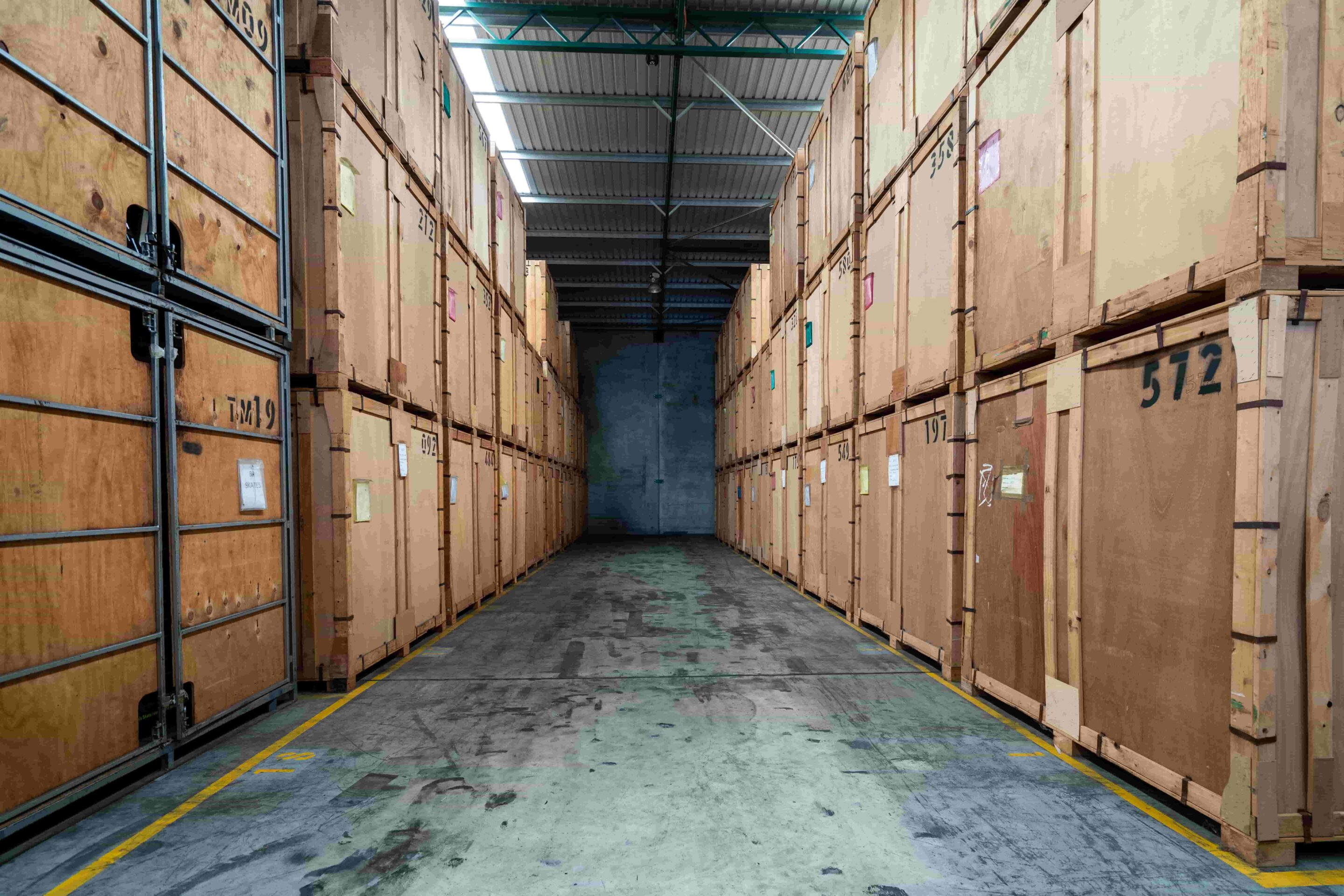
Off-site storage solves a different problem. It removes furniture from the renovation environment entirely, which reduces the risk of dust settling into upholstery or timber, accidental knocks from tools and materials, or furniture having to be moved repeatedly as work progresses.
That can be particularly worthwhile for timber furniture, leather, electronics, artwork and anything else you would be genuinely disappointed to see damaged. It also gives trades more room to work without having to navigate around furniture that is being kept in the house.
The trade-off is cost and convenience. You are paying for the storage period, and if you need something midway through the renovation, getting to it may require a trip to the facility rather than simply opening the garage.
A useful rule of thumb is this: if the renovation is limited to one room and you have genuinely spare space elsewhere, on-site storage may be enough. If several rooms are being renovated, the project affects most of the house, or you are storing furniture that needs better protection, short-term storage in Perth can be the more practical option.
KEYS offers short-term storage through its Perth operation in Canning Vale, with collection, storage and later redelivery available if you would prefer the furniture to be handled from start to finish. Storage can also be extended if the renovation takes longer than expected.
The Timeline Problem Nobody Plans For
One of the easiest renovation mistakes to make is planning your furniture storage around the best-case completion date.
A builder might give you a six-week programme, but renovation timelines can move. Trades get delayed, materials arrive later than expected, or an issue only becomes obvious once walls, floors or cabinetry are removed. That does not necessarily mean anything has gone wrong. It is simply why a little flexibility matters.
If you are storing furniture on-site, think beyond the quoted finish date. A garage full of couches, dining furniture and boxes might be manageable for several weeks. It becomes much more frustrating if that same setup is still there months later and you have lost the use of an important part of the house.
The same principle applies to off-site storage. Avoid planning so tightly around the expected completion date that even a small delay creates another problem to solve. Before booking, check how easily the storage period can be extended and what happens if you need the furniture stored for longer than originally planned.
This is one area where asking your builder a slightly different question can help. Instead of only asking when the renovation should be finished, ask:
“What would be a realistic completion date if there are a few delays along the way?”
That gives you a better timeframe for planning storage, accommodation and everything else that depends on the renovation being finished.
A sensible approach is to build some buffer into your storage plan rather than treating the quoted completion date as immovable. If the project finishes on schedule, great. If it does not, you are not suddenly looking for somewhere to put an entire household of furniture.
KEYS’ short-term storage can be extended if plans change, and longer-term storage is also available where a renovation ends up taking substantially longer than first expected.
How to Prepare Furniture for Renovation Storage
Whether your furniture is staying in the garage or heading into off-site storage, a little preparation before the renovation starts can prevent a lot of frustration later.
Renovation environments tend to involve more dust, movement and disruption than a normal house move, so furniture should be packed and protected with that in mind.
Clean Furniture Before Storing It
Give furniture a proper clean before it is covered or moved into storage. Pay particular attention to upholstery, timber surfaces and joints where dust and grime can settle.
Make sure everything is completely dry before covering it, especially upholstered or timber furniture.
Empty Drawers and Cabinets
Remove the contents of drawers, cupboards and cabinets before moving them.
This makes furniture lighter and easier to handle, while also preventing loose belongings from moving around and potentially damaging the inside of the piece. Pack those contents separately in clearly labelled boxes so they are easier to find later.
Disassemble Larger Furniture Where Practical
Beds, large tables and furniture designed to come apart can usually be stored more efficiently once dismantled. It can also reduce strain on joints while the furniture is being moved.
Keep screws, bolts and other fittings together in a labelled bag and secure them to the relevant piece so you are not searching through boxes when it is time to put everything back together.
Use Breathable Furniture Protection
Moving blankets and suitable furniture covers are generally preferable to wrapping furniture tightly in plastic for extended storage.
Plastic can trap moisture against some surfaces and fabrics. For upholstered and timber furniture, KEYS recommends breathable covers or moving blankets rather than tightly wrapping the item in plastic, particularly when it will be stored for a longer period.
Photograph Furniture Before It Goes Into Storage
Take a quick photo of each significant item before it is moved.
It only takes a few minutes and gives you a record of the furniture’s condition before storage. If a piece needs to be dismantled, take a few extra photos before pulling it apart so you have a reference when it is time to reassemble it.
Check Your Insurance Arrangements
Do not assume furniture is automatically covered simply because it is temporarily stored somewhere else.
Check the terms of your home and contents insurance and, if you are using a storage provider, ask what storage and transit insurance options are available. KEYS can arrange transit and storage insurance options, with the level of cover depending on the policy selected.
For a more detailed breakdown of protecting individual rooms and different types of belongings, see KEYS’ How to Pack for Long-Term Storage: A Room-by-Room Guide.
What About Furniture That Doesn’t Need Full Storage?
Not every renovation needs a full off-site storage setup. If the project is small, short or limited to one part of the house, a simpler arrangement can be enough.
Consolidate Furniture Into One Room
If only part of the home is being renovated, furniture from the affected area can sometimes be moved into a spare room, garage or another space that will stay out of the work zone.
This can work well when the rest of the house is still usable and the furniture can be kept clear of dust, tools and regular foot traffic.
Empty the Contents, Keep the Furniture
Bookshelves, cabinets and storage units are much easier to move once they are empty.
Pack books, glassware, documents and other contents into labelled boxes, then move the empty furniture separately. This makes the larger pieces lighter and reduces the risk of contents shifting around or causing damage while they are being moved.
Borrow Space for a Few Items
For a small renovation, storing a few pieces with family or friends can be a perfectly reasonable short-term option.
The main thing is to be realistic about how long the arrangement may last. If the renovation timeline changes, a favour that was meant to last a few weeks can become much less convenient for everyone involved.
For anything beyond a handful of items or a short project, it is usually worth having a proper storage plan in place. That might still mean keeping furniture on-site, but the important part is knowing where everything will go, how it will be protected and what happens if the renovation takes longer than expected.
Plan Your Storage Before the Renovation Starts
The right storage option depends on the size of the renovation, how much genuinely free space you have at home, what you are storing and how flexible the project timeline is.
For a small, contained renovation, keeping furniture on-site may be all you need. For larger projects, longer timelines or furniture that needs better protection, moving it off-site can make the renovation easier to manage.
Whichever option you choose, build some flexibility into the plan. Renovation schedules can change, and knowing what happens to your furniture if the project runs longer than expected can save a lot of unnecessary stress later.
KEYS offers flexible storage for Perth renovations, with collection and redelivery options and the ability to extend storage if your project takes longer than first planned.
Frequently Asked Questions
Where should I store furniture during a home renovation?
For a small renovation affecting one area of the house, a spare room, garage or shed may be enough if the furniture can be kept away from dust and the active work zone.
For multi-room or whole-house renovations, or when storing furniture that needs better protection, off-site storage can be more practical because it removes the furniture from the renovation environment completely.
How long can furniture be stored during a renovation?
That depends on your storage arrangement and how long the renovation takes.
KEYS offers short-term storage from very short stays through to a few months. If your renovation takes substantially longer than expected, long-term arrangements can continue for several months or even years.
Is it worth paying for storage during a small renovation?
Not always.
If the renovation is contained to one room and you have genuine spare space elsewhere in the house, keeping furniture on-site may be the simplest and most economical option.
Off-site storage becomes more worthwhile when furniture is taking over useful living space, several rooms are affected, the renovation is expected to last longer, or you are storing items you would prefer to keep completely away from dust and building activity.
Does home insurance cover furniture in storage during a renovation?
It depends on your individual policy and where the furniture is being stored.
Do not assume your normal home and contents cover automatically applies to belongings kept in a garage, at someone else’s property or in an off-site storage facility. Check with your insurer before the renovation starts and confirm what cover applies.
KEYS is authorised to arrange transit and storage insurance, with the available cover depending on the policy selected and your individual storage arrangement.